IN THE WATER
Float to live
Tilt your head back with ears submerged, relax and try to breathe normally. Once your breathing is under control, call for help or swim to safety.
How to float doodlelife
WATER SAFETY, IN PLAIN ENGLISH
Falling into cold water is a shock, in the most literal sense.
The body gasps and breathing races, even in strong swimmers. UK water safety groups give one simple instruction for those first moments: lean back, float, and get your breathing back under control before you do anything else.
FLOAT TO LIVE then call for help
Who to callTHE SHORT ANSWER
Three ideas from UK water safety campaigns.
Each takes seconds to remember.
IN THE WATER
Tilt your head back with ears submerged, relax and try to breathe normally. Once your breathing is under control, call for help or swim to safety.
How to floatHELPING OTHERS
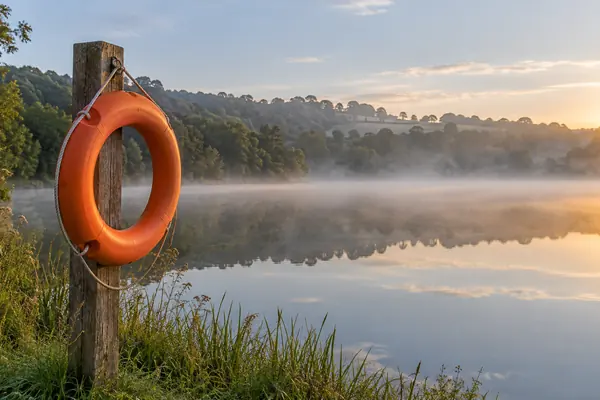
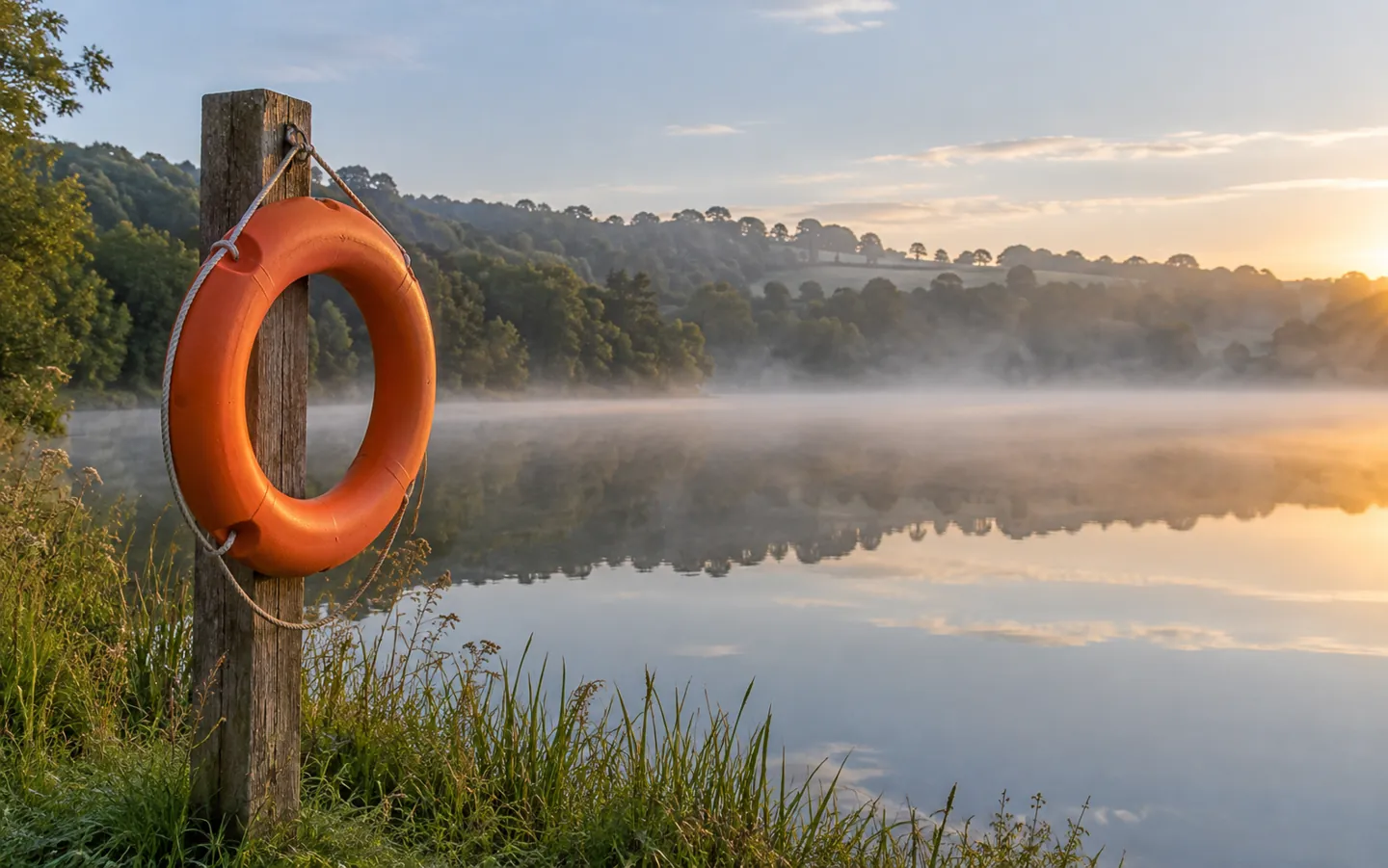
Do not go in yourself. Phone 999, tell the person to float on their back, and throw them something that floats.
Who to ask forWHO IT HAPPENS TO
In 2024, everyday activities such as walking and running accounted for 37 per cent of accidental water deaths in the UK.
See the numbers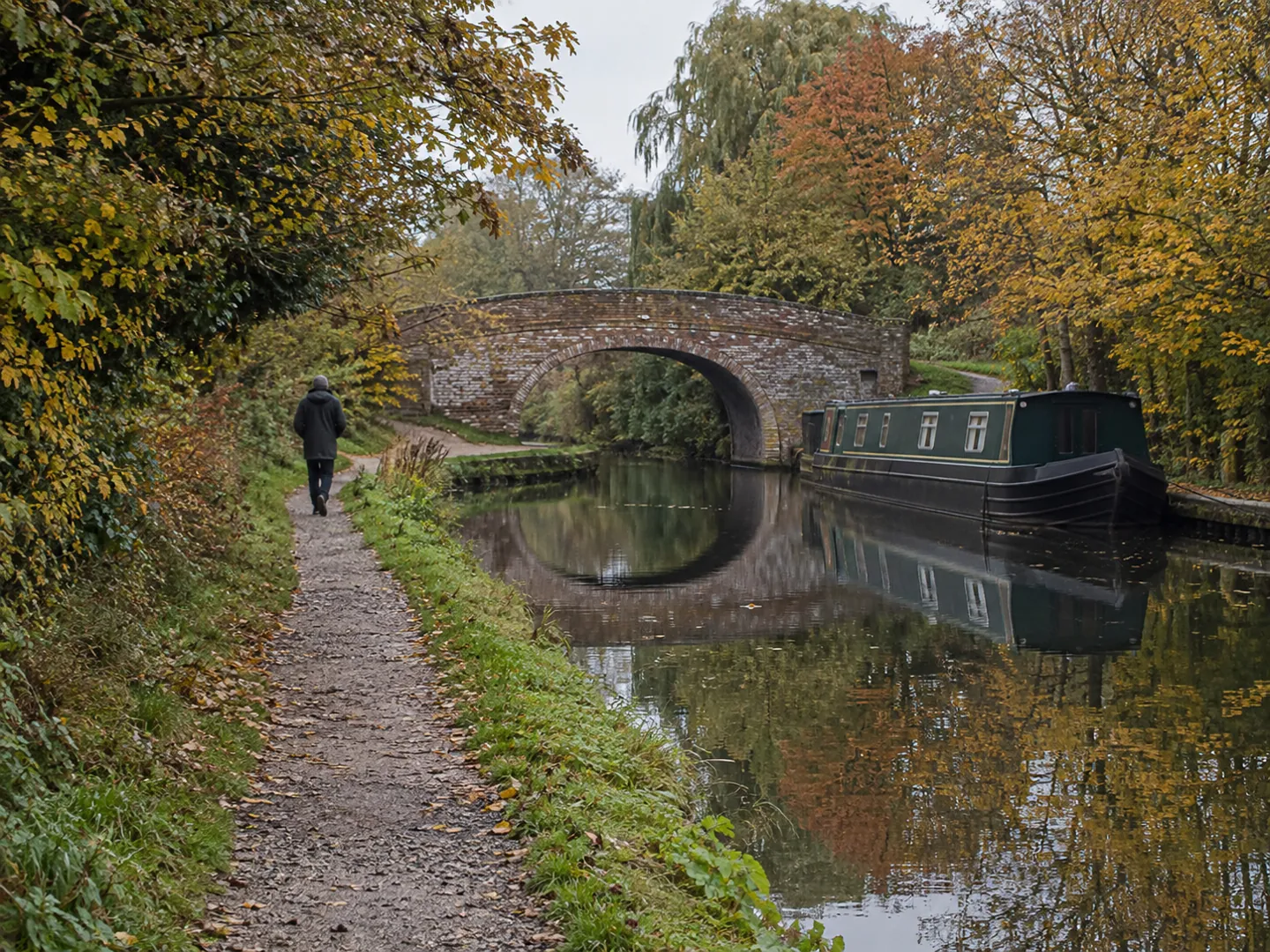
FLOAT TO LIVE, STEP BY STEP
The aim is to get through the first moments, when breathing is out of control. The Met Office says the initial effects of cold water shock typically last for around 90 seconds.
Fight the instinct to swim hard or thrash about. Staying calm comes first.
Lean back with your head tilted and ears submerged. Extend your arms and legs and use your hands to help you stay afloat.
It is OK if your legs drop: we all float differently. Focus on relaxing and breathing normally.
Once your breathing is under control, call for help, look for something to hold on to, or swim to safety.
TWO NUMBERS WORTH KNOWING
From the UK's Water Incident Database for 2024,
kept by the National Water Safety Forum.
193
Confirmed accidental water deaths
193 people died accidentally in water-related incidents in the UK in 2024, with a further 206 cases where the cause was still unknown. May was the worst month, with 28.
UK · 2024 · NWSF
61%
Share at rivers, canals, lakes and quarries
Inland waters such as rivers, canals, lakes, reservoirs and quarries remain the leading places for accidental drowning, accounting for 61 per cent of deaths.
INLAND WATERS · NWSF
Figures from the National Water Safety Forum's 2024 Water Incident Database, as reported by the University of Portsmouth in May 2025. Males accounted for 84 per cent of the accidental deaths.
WHICH SERVICE TO ASK FOR
When you call 999, the operator will ask which service you need. Pick a place to see the answer. The bar shows how likely it is to be HM Coastguard rather than Fire and Rescue.
Based on the National Water Safety Forum's Respect the Water campaign. If in doubt, call 999 anyway: the operator will send the right service.
COLD WATER SHOCK
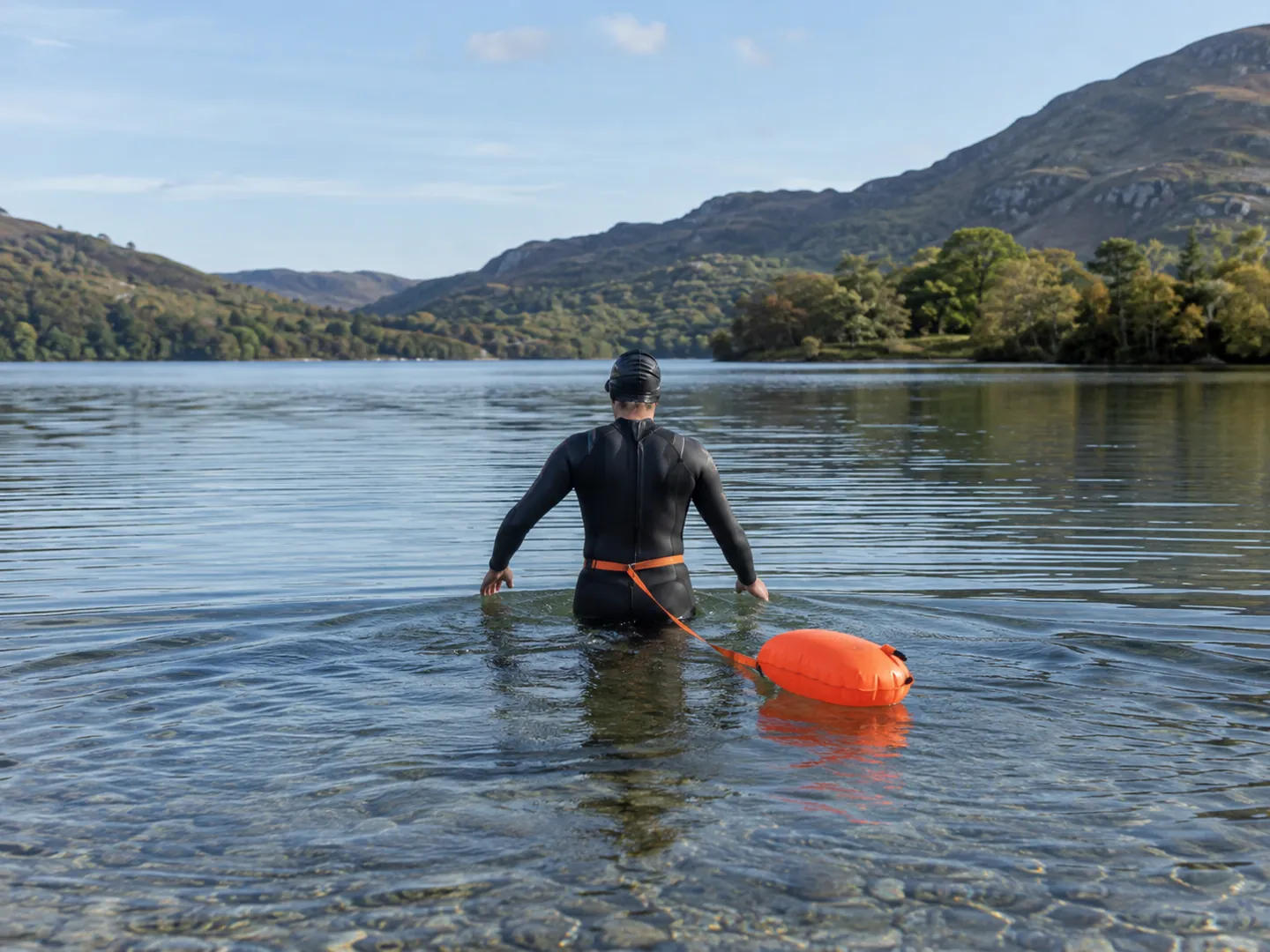
The Met Office describes cold water shock as an involuntary response to sudden immersion in water below 15°C: a gasp, rapidly rising breathing and heart rate, and possible panic. It can affect anyone, regardless of age, fitness or swimming ability.
A hot day does not mean warm water. Professor Mike Tipton of the University of Portsmouth, whose research informed Float to Live, puts the average temperature of UK and Irish waters at 12°C, and the National Water Safety Forum notes many lakes and rivers stay below 16°C all year.
Questions
It is UK water safety advice for anyone who ends up in the water unexpectedly: tilt your head back with ears submerged, relax, breathe, use your hands to stay afloat, and only call for help or swim once your breathing is under control.
The Met Office says the initial effects typically last for around 90 seconds. That is why the advice is to float and calm your breathing first rather than trying to swim straight away.
No. The advice is Phone, Float, Throw: phone 999, tell the person to float on their back, and throw them something that floats, such as a life ring or rescue equipment.
Ask for the Coastguard at the coast, at beaches and at sea, and for Fire and Rescue at most inland waters. A few large inland waters are covered by the Coastguard. If unsure, call 999 anyway.
Usually, yes. Even on hot days the sea, rivers and lakes in the UK can stay cold enough to trigger cold water shock, so enter slowly and give your body time to adjust.
Updated
ABOUT THIS NAME
doodlelife.com is part of the DoodleSale portfolio. It isn't in an auction right now, but you can ask about leasing it.